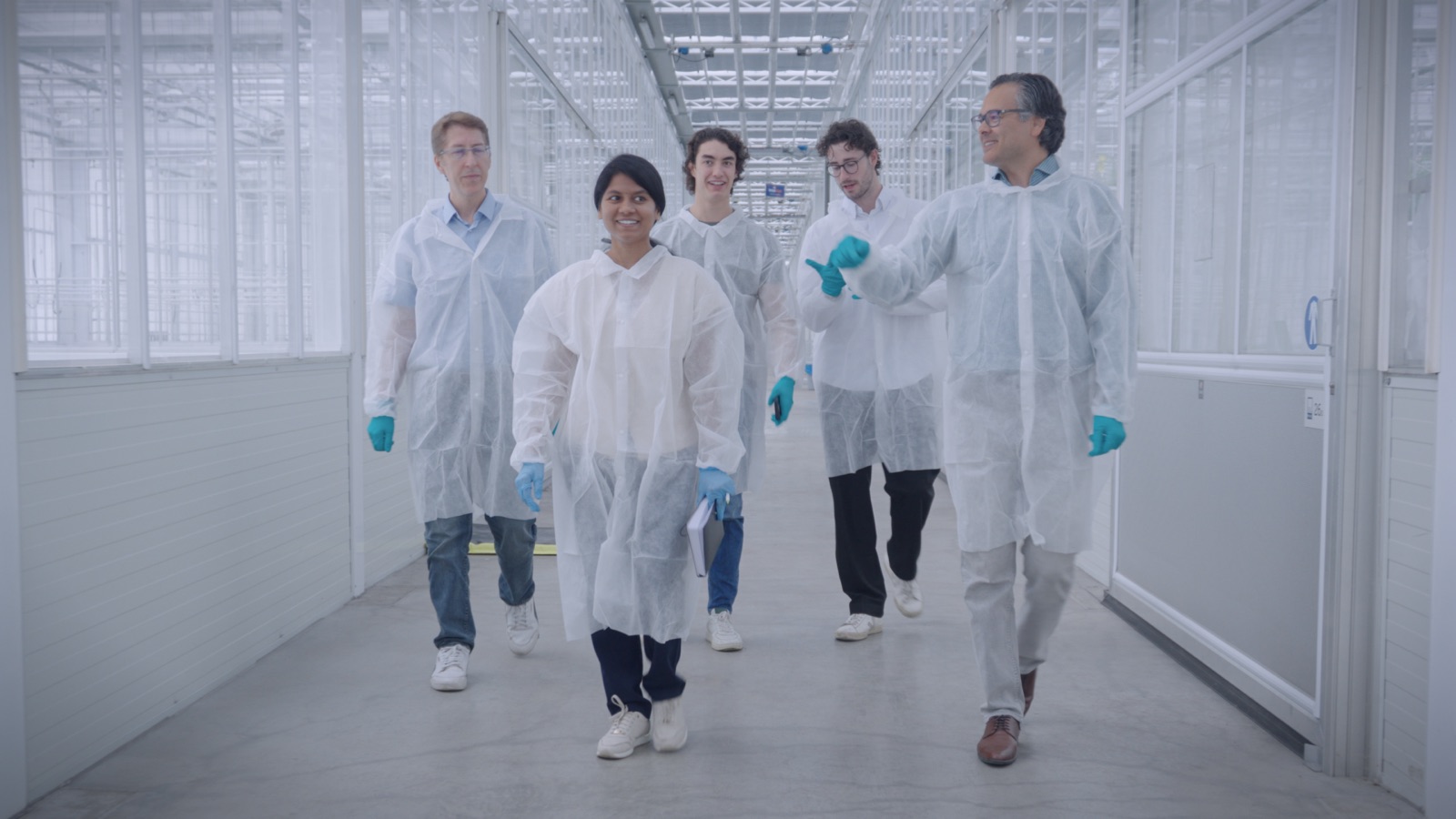
Nijmegen, the Netherlands, 9 September 2026. Gravity Gardens has secured a €2.6 million seed round to bring a new kind of seed activation to market: a dry process that improves establishment without adding water, chemicals or coating to the seed. The round combines equity investment with EFRO regional development funding, and brings the total raised since the company was founded to more than €3 million.
The company was founded in 2024. Its technology was developed with support from the European Space Agency Business Incubation Centre (ESA BIC) Noordwijk and has been through seven external trials, including validation work by the Dutch applied research organisation Vertify. The round was supported by VP Capital, Brightlands Venture Partners (BVP) and Graduate Ventures alongside a group of private investors, and follows earlier backing from StartLife and a Rabobank innovation loan. The funding takes the company into its next phase: industrial-scale equipment development and larger trial programmes across new crops, with market readiness targeted during 2027.
“What are two of the key elements for human evolution? Agriculture and technology. Gravity Gardens have combined these along with relentless passion to create solutions for the scalable food production of tomorrow. As our planetary needs grow, so does their desire to innovate.”

An old idea most crops could never afford
Improving a seed before it goes in the ground, what the industry calls seed activation technology, is not a new idea. Seed companies have known for decades that a seed lot given the right treatment emerges faster, more evenly, and holds up better in a difficult seedbed. The problem was never whether it works. The problem is what it takes to do it.
Conventional priming is wet. The seed is hydrated, held under controlled conditions, and dried back down again, a process that brings handling constraints, capacity limits and cost with it at every step. The economics have only ever closed on high-value vegetable and flower seed. For the overwhelming majority of crops by volume, seed activation has never been on the table at all.
Not a better priming process
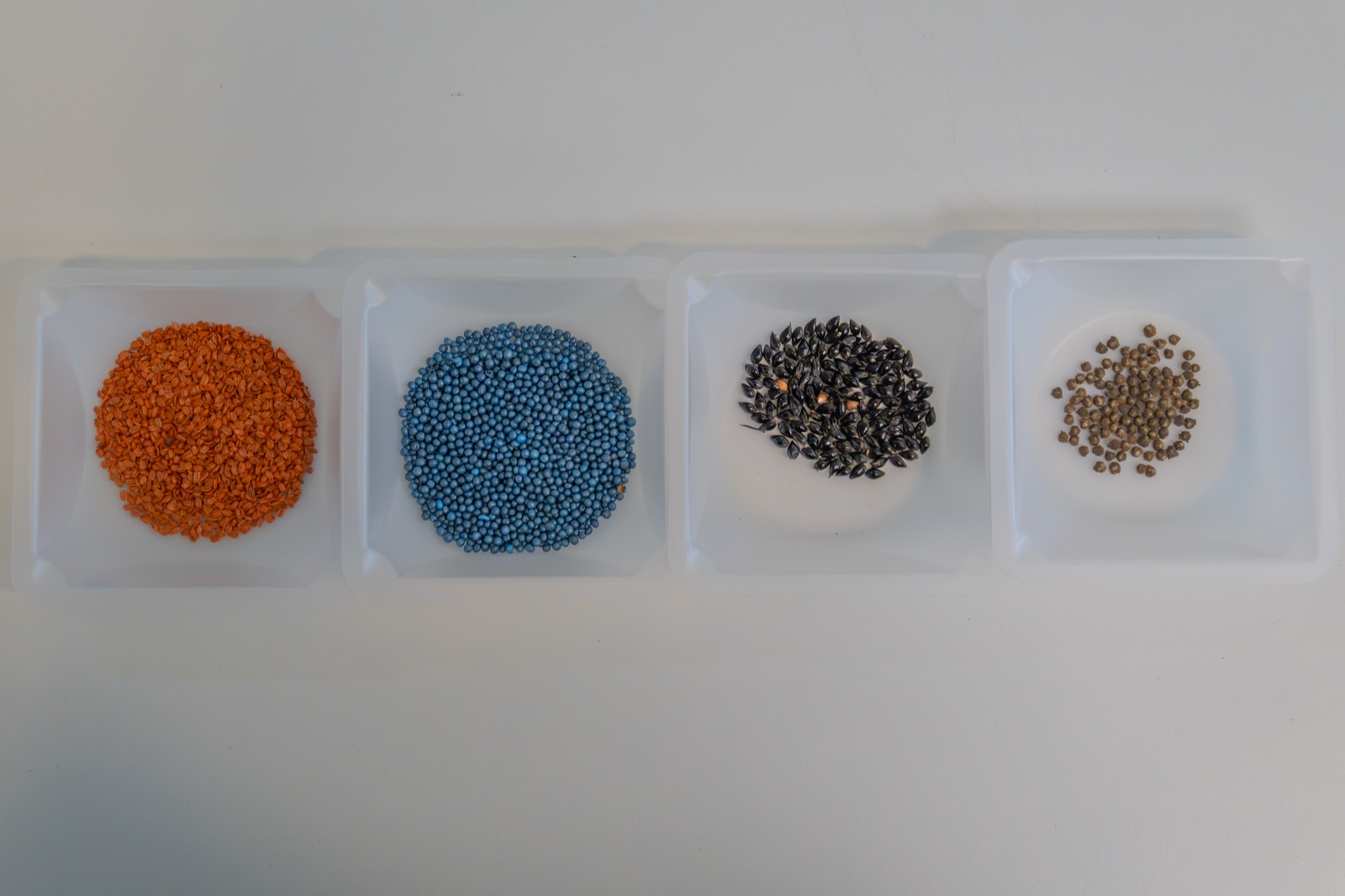
Taking water out of the process is what changes the economics, because there is no hydration stage to control and nothing to dry off afterwards. Where priming has been understood in the industry as a way to improve germination and uniformity, Gravity Gardens is working on vigour: how fast and how strongly a crop establishes itself once it is in the ground.
The process is the property of Gravity Gardens.
“Every seed company in Europe has a seed lot sitting in storage that germinates at grade A quality on the bench and then disappoints in the field. Germination matters, but it is not the number that decides your season. Vigour is, and vigour is the first thing you lose as a lot ages or as the spring turns against you. Priming has been the industry’s answer for forty years and it is a good answer, but it is a wet one, and the cost and complications that come with that are why it only ever made sense for a handful of high-value crops. What we have is dry, which takes those costs out. Cheap enough for field crops, and aimed at the thing that actually decides the season. That combination is what has not existed before.”
An industry being required to change
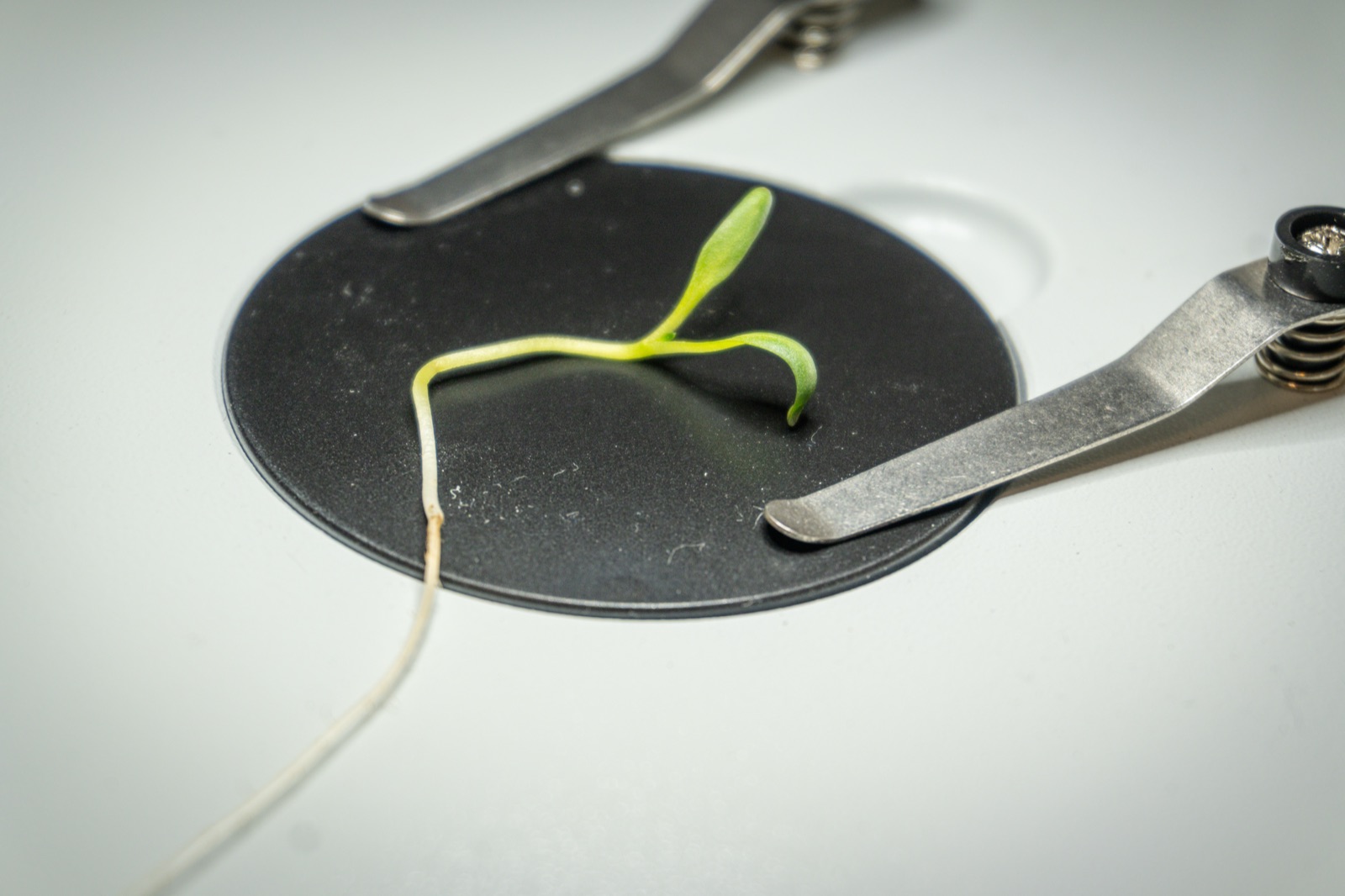
The seed sector is preparing for a significant change in what is allowed to go onto a seed. Regulation (EU) 2023/2055 restricts intentionally added synthetic polymer microparticles unless the polymer is degradable or soluble to the standard the regulation sets. Coated seeds used in agriculture and horticulture can no longer be placed on the market with them from 17 October 2028, and seed treated with plant protection products follows on 17 October 2031. The polymer coating that has held a treatment onto a seed for decades is what the restriction reaches. Reformulation work is under way across the industry well ahead of the deadlines.
The European Commission was explicit that the intention is for the sector to develop sustainable alternatives rather than lose these applications. That is the transition Gravity Gardens is built for. An industry now obliged to reduce what it puts onto a seed needs methods that add nothing at all, and that is what the company brings to it.
Validated outside the building
The technology has been through seven external trials, including validation experiments run by Vertify. Gravity Gardens operates its own research, development and production facility in Nijmegen and runs active programmes with Vertify, HLB, Oost NL and Foodvalley, through which the company accessed an SME Innovation Voucher.
The scientific team is drawn from inside the industry. Benyamin Houshyani, Research Operation Partner, spent more than a decade in seed technology research at Bayer, following a PhD in plant physiology at Wageningen University.
“The seed quality improvement industry has a real need for novel solutions. Gravity Gardens’ technology has the potential to meet that need, and contributing to its success is both a personal and a professional opportunity.”
An important stage for scaling
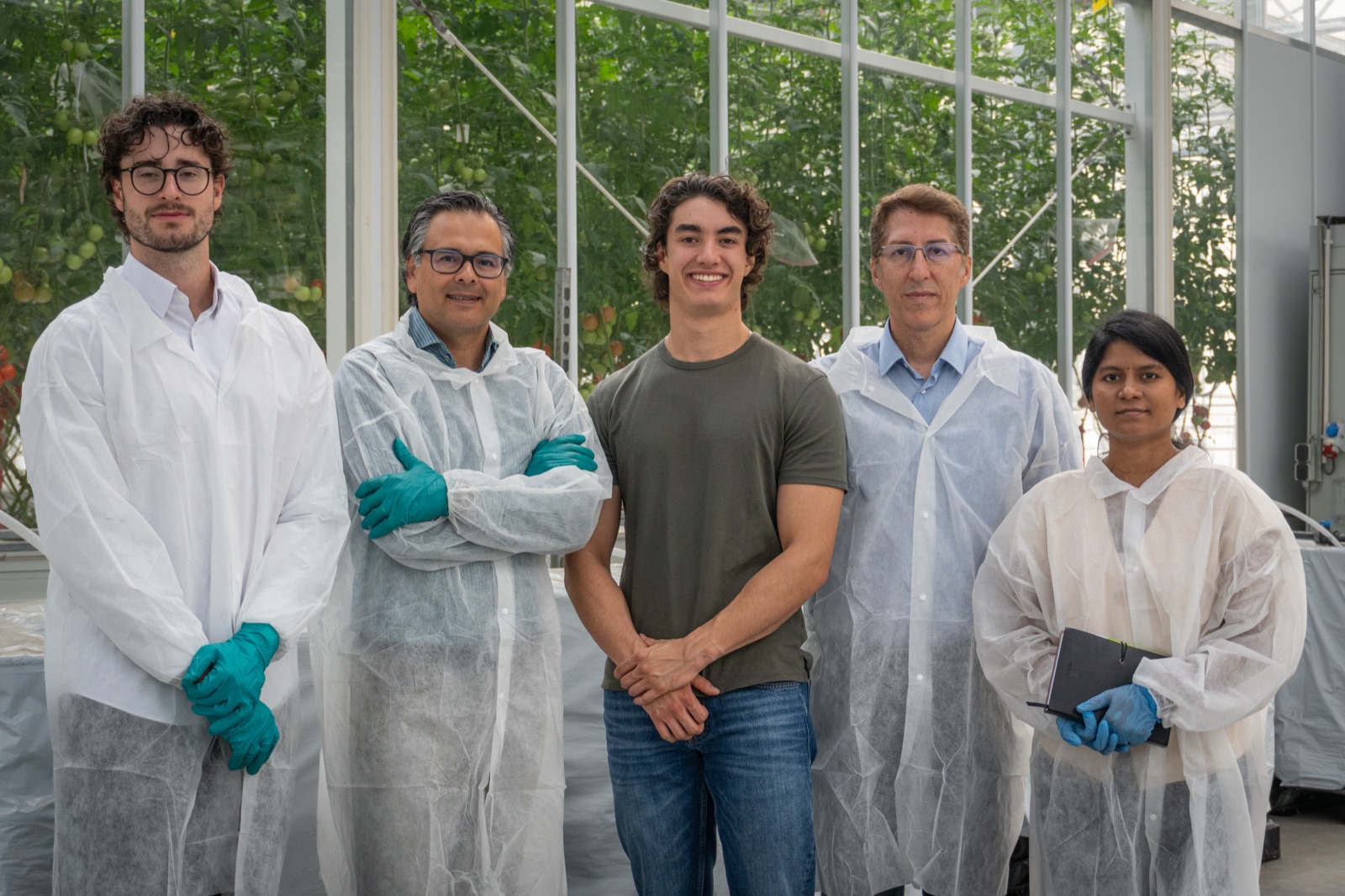
The funding covers the step from a working process to industrial machinery. Gravity Gardens is moving towards the development of industrial-scale equipment with Demcon, the Dutch engineering group, while trial programmes continue in parallel, laying the groundwork for a strong move towards volume.
“The most impactful innovations are often the ones that improve the foundations of a system. Seeds are exactly that foundation. Gravity Gardens has developed a technology that could make stronger crop establishment accessible to many more farmers while using fewer natural resources. That is what makes this investment so compelling.”
“Germination is the most critical phase in plant development. Gravity Gardens’ platform stimulates the plant’s natural power, and its cost competitive technology can be applied in a wide variety of crops. We believe this is an important step towards less chemical use and the natural strengthening of plant germination.”
ENDS